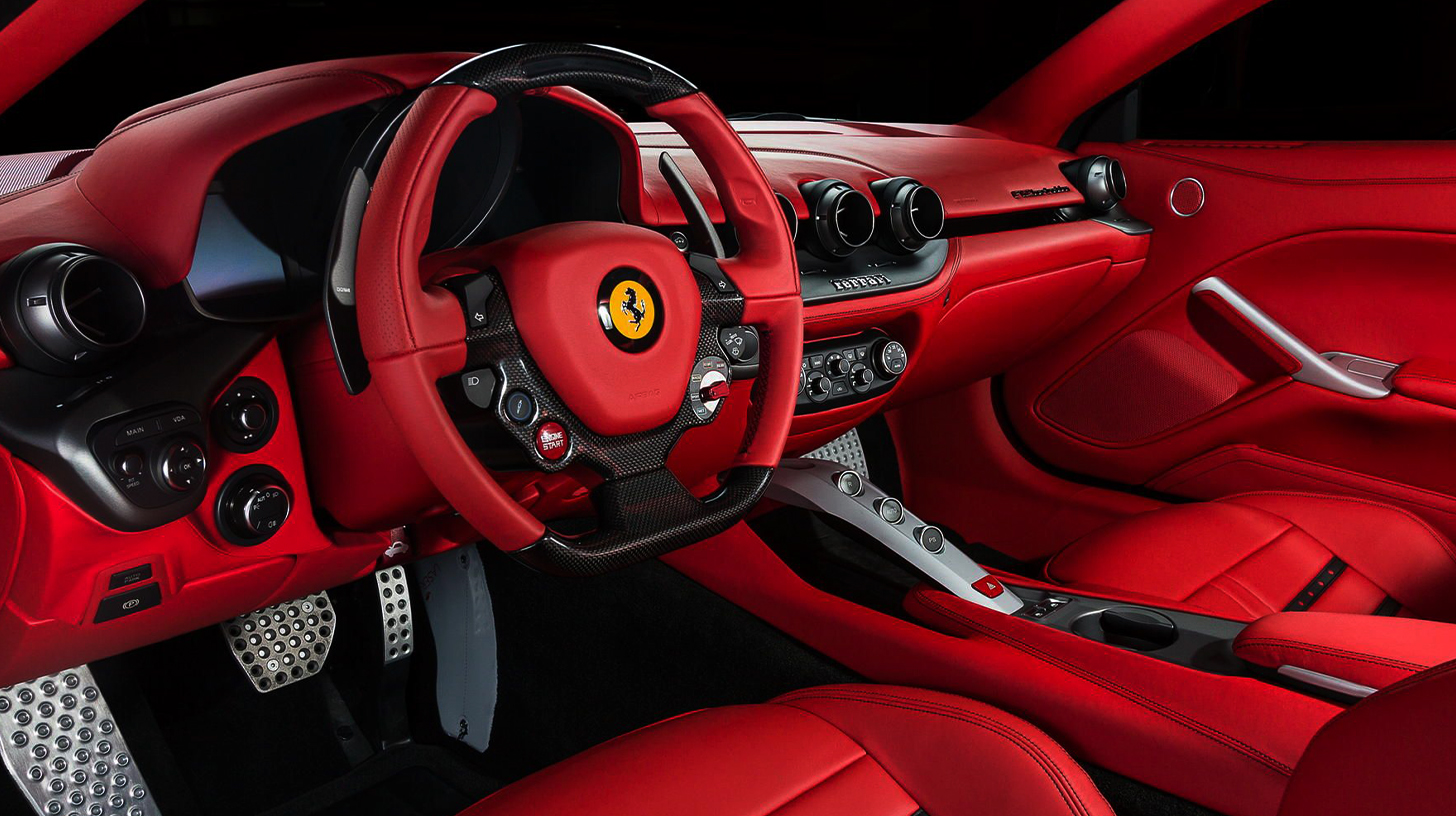
Modern cars come packed with technology, but most drivers don’t fully understand the features hidden behind their dashboard buttons. According to J.D. Power’s 2023–2024 Tech Experience Index, 61% of drivers admit they don’t know how at least one major feature in their car works, while a separate AAA study shows that over half misuse everyday systems like Auto Hold, ECO Mode, or off-road assist simply because they don’t know what the buttons actually do.
This problem is even more common in Georgia, where 82% of cars are imported and often arrive with brand-specific features that aren’t described in local-language manuals. BMW, Toyota, Mercedes-Benz, Hyundai, Volkswagen and many U.S.-spec vehicles include buttons that confuse even experienced drivers and sometimes, misunderstanding these systems can increase distraction or affect driving safety.
In this guide, we break down the most commonly misunderstood buttons across popular brands and explain, in simple language, what they do, when to use them, and how they make driving safer, easier, and more comfortable.
Why Understanding Your Car’s Buttons Actually Matters
Modern cars are far more advanced than they appear. Behind every “mystery button” on your dashboard is a feature designed to improve safety, comfort, fuel efficiency, or off-road capability. Yet according to global automotive studies, most drivers rarely use, or properly understand, these systems.
Understanding your car’s buttons matters for several important reasons:
1. Safety Features Work Only When Drivers Know How to Use Them
Many buttons control critical systems like:
- traction control
- hill-descent assist
- drive modes
- off-road systems
- vehicle stability control
- auto-hold braking
Misusing or ignoring these systems can reduce stability on slippery roads, steep hills or gravel, driving conditions very familiar to Georgian drivers.
2. You Can Save Money on Fuel and Maintenance
Buttons like ECO Mode, Drive Mode, and EV/Hybrid energy settings can significantly reduce:
- daily fuel consumption
- wear on brakes and tires
- unnecessary strain on the engine
Especially with rising fuel prices in Georgia, these features can offer meaningful long-term savings.
3. Your Driving Comfort Improves Dramatically
Many buttons that drivers overlook actually make everyday driving more enjoyable:
- adaptive suspension settings (BMW, Mercedes)
- Smart Cruise Control (Hyundai)
- customizable driving modes
- interior monitoring off/on
- auto-hold in traffic
Whether driving through Tbilisi’s traffic or taking longer trips across the regions, proper use of these features reduces stress and fatigue.
4. Imported Cars Come With Features Georgia Doesn’t Advertise
Because most cars in Georgia come from the USA, Europe, Korea, or Japan, drivers often discover:
- off-road modes designed for different climates
- EV energy-management features not explained in Georgian manuals
- safety systems described only in English
- trim-specific buttons unique to U.S. models
Learning what these buttons do ensures you’re using the vehicle to its full potential, not driving it like a base version.
5. It Helps You Avoid Driver Distraction
Unfamiliar buttons often tempt drivers to experiment while driving.
Research shows that searching for unknown controls increases distraction and can delay reaction time by nearly half a second, enough to cause an accident at city speeds.
Understanding your controls beforehand keeps your eyes on the road.
6. You Get More Value From the Car You Bought
Many imported cars in Georgia come with:
- premium options
- hidden comfort features
- off-road systems
- advanced safety tech
But if you don’t know what those buttons do, you’re not using the value you already paid for.
Types of Car Buttons You’ll Find in Modern Vehicles
Before we explore brand-specific features, it’s important to understand the categories of buttons found in most modern cars. Whether your vehicle is imported from the United States, Europe, Japan, or Korea, these buttons all fall into a few major groups. Once you understand these categories, the rest of the article becomes much easier to follow.
Even if different brands use different names (ECO Mode, Drive Mode, Comfort, Sport, Auto H, A-TRAC), the underlying purpose is usually the same.
Here are the key types of car buttons you’ll find in today’s vehicles:
1. Drive Modes (Eco, Normal, Sport)
These buttons adjust how the car feels on the road.
Common effects include:
- throttle response
- steering sensitivity
- gear shifting behavior
- fuel consumption
Eco Mode prioritizes low fuel use.
Sport Mode sharpens acceleration and makes the vehicle more dynamic.
Comfort/Normal Mode focuses on smoother daily driving.
These modes exist in Toyota, BMW, Mercedes, Hyundai, Volkswagen and many other brands.
2. Traction & Stability Control Systems
These buttons help keep the car stable on slippery, snowy, or uneven terrain.
Examples include:
- A-TRAC (Toyota)
- ASR (Volkswagen)
- ESP / ESC / DSC (various brands)
What they do:
- reduce wheel spin
- improve traction
- help maintain control on difficult surfaces
These systems are especially helpful on Georgia’s mountain roads, gravel areas, and steep inclines.
3. Off-Road Assistance Features
These are designed for rough terrain, steep slopes, and challenging surfaces.
Examples include:
- Hill Descent Control (Land Rover, Toyota, Hyundai)
- Offroad Mode (Volkswagen, Toyota)
- A-TRAC (Toyota)
They help you safely drive on:
- snow
- mud
- sand
- gravel
- steep downhill slopes
Many imported SUVs in Georgia come with these features, yet drivers often don’t realize they exist.
4. Suspension & Ride Comfort Controls
These buttons change how soft or firm the car feels.
Examples:
- Dynamic Damper Control (BMW)
- AIRMATIC (Mercedes-Benz)
They adjust:
- ground clearance
- suspension stiffness
- comfort versus sportiness
These features matter if you often switch between city streets and rural or uneven roads.
5. Brake Automation & Assist Features
These buttons are about comfort and safety during stops or traffic.
Most common example:
- Auto Hold / Auto H (BMW, Mercedes, Hyundai)
What they do:
- hold the car in place at a stop
- prevent rolling backward on a hill
- release automatically when you accelerate
This is extremely useful in Tbilisi’s traffic and steep parking areas.
6. Fuel Efficiency & Engine Management Features
Some buttons help reduce fuel consumption and optimize engine performance.
Examples:
- ECO Mode
- Start/Stop System On/Off
Benefits:
- lower fuel costs
- cleaner emissions
- smoother daily driving
7. Interior & Safety Monitoring Systems
These are less known but important for safety and comfort.
Examples:
- Interior Monitoring (Volkswagen) disables motion sensors inside the cabin
- Parking Sensors / Auto Parking
- Camera view buttons (360° view, reverse camera activation)
These features help with parking, security, and avoiding false alarms.
Common Car Buttons You’ll Find in Popular Brands (Explained Simply)
Modern cars, especially imported ones, come with dozens of buttons that control safety, comfort, performance, and off-road systems.
Since Georgia’s car market is dominated by popular brands like Toyota, BMW, Mercedes, Volkswagen, Hyundai, and Land Rover, many drivers encounter unfamiliar symbols on their dashboards.
This section breaks down the most common “mystery buttons” found in these brands and explains, in simple terms, what each of them actually does. Whether your car is freshly imported or you’ve been driving it for years, these quick explanations will help you use your vehicle more confidently and safely.
Below, you’ll find easy descriptions by brand:
Toyota: Practical Buttons That Improve Efficiency and Control
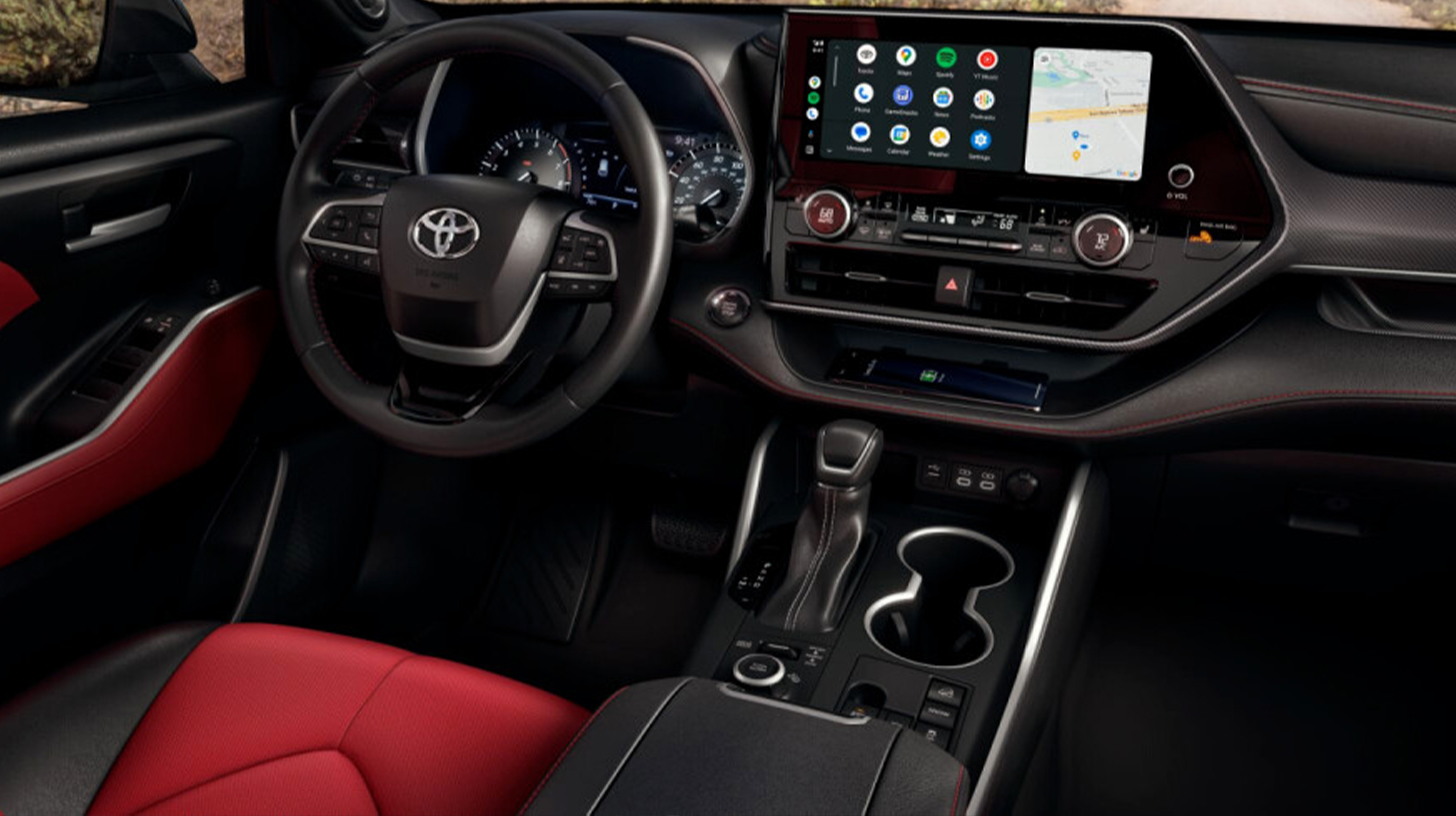
Toyota models are the most common imports in Georgia, especially hybrids and SUVs. They often include efficiency and traction-control features that new owners overlook.
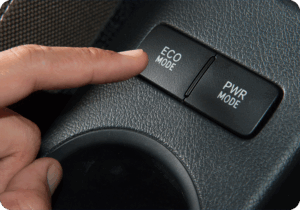
ECO Mode
What it does:
Reduces throttle response and optimises engine performance to lower fuel consumption.
When to use it:
City traffic, slow commuting, fuel-saving days.
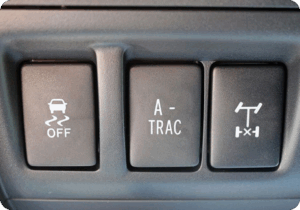
A-TRAC (Active Traction Control)
What it does:
Distributes power between wheels to prevent slipping on difficult surfaces such as mud, gravel, or snow.
When to use it:
Off-road trips (Land Cruiser, Hilux), mountain roads, or wet weather.
BMW: Buttons Designed for Performance and Driving Feel
BMWs often arrive from the USA loaded with driving-mode technology that first-time owners don’t fully understand.
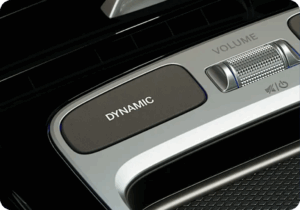
Dynamic Damper Control
What it does:
Allows you to switch between Comfort, Sport, and custom suspension settings.
When to use it:
Comfort for everyday driving; Sport for faster, more responsive handling.
Auto Hold (AUTO H)
What it does:
Keeps the car stopped automatically after braking, no need to hold the pedal.
When to use it:
Traffic jams, hills, traffic lights.
Mercedes-Benz: Comfort and Adaptability at the Press of a Button
Mercedes imports often include advanced ride-control systems that improve stability and luxury.
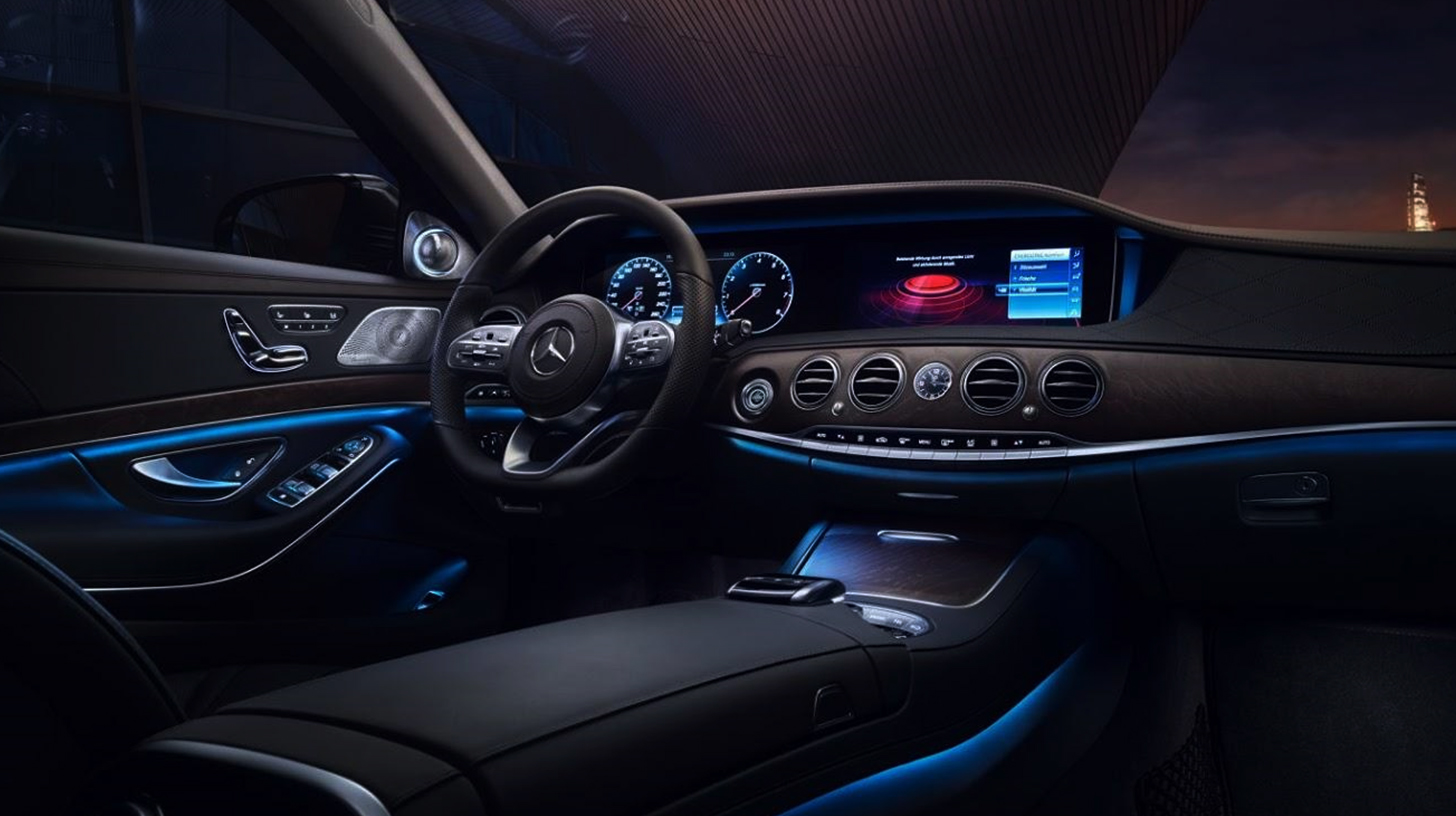
DYNAMIC SELECT
What it does:
Changes driving modes (Eco, Comfort, Sport, Individual) by adjusting steering, transmission, and engine response.
When to use it:
Eco for efficiency, Sport for dynamic driving, Individual for custom settings.
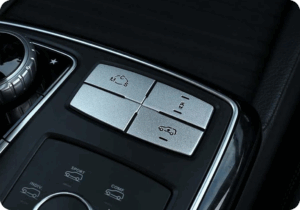
AIRMATIC
What it does:
Adjusts the vehicle’s height using air suspension for smoother driving and better ground clearance.
When to use it:
Rough roads, speed bumps, high-speed comfort, mountain trips.
Volkswagen: Practical Buttons With Hidden Safety Benefits
VW models in Georgia (especially Tiguan, Touareg, Golf) include traction and off-road features many drivers overlook.
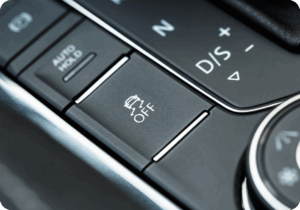
ASR (Anti-Slip Regulation)
What it does:
Improves grip by preventing wheel spin during acceleration.
When to use it:
Rain, snow, slippery roads, or steep inclines.
Off-Road Mode
What it does:
Optimizes traction, engine response, and brakes for challenging surfaces.
When to use it:
Gravel, sand, hills, countryside trips.
Interior Monitoring
What it does:
Disables interior motion sensors when the car is locked.
When to use it:
Leaving pets inside briefly, leaving windows open, ferry crossings.
Hyundai: Smart Buttons for City Driving and Efficiency
Hyundai is extremely popular in Georgia due to affordability, EV options, and tech-heavy features.
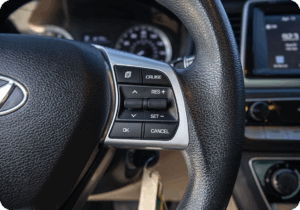
Smart Cruise Control
What it does:
Automatically maintains distance from the car in front, adjusting speed as needed.
When to use it:
Highways, long-distance trips, heavy traffic.
Drive Mode Selector
What it does:
Switches between Eco, Comfort, or Sport depending on your preferences.
When to use it:
Eco for fuel savings; Sport for quicker acceleration.
Off-Road Mode
What it does:
Improves traction and stability on uneven surfaces.
When to use it:
Mountain roads, mud, snow.
Land Rover: Off-Road Tools for Serious Terrain
Land Rover models are built for rough terrain, but many owners never learn about the most important button.
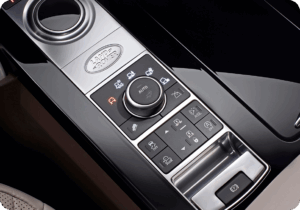
Hill Descent Control (HDC)
What it does:
Automatically maintains a safe speed when descending steep slopes, without you touching the brakes.
When to use it:
Mountains, off-road trails, slippery inclines.
Buttons Most New Owners Commonly Misunderstand (Across All Brands)
Even if your car comes from Toyota, BMW, Mercedes, Volkswagen, Hyundai, or Land Rover, many buttons work the same way across brands, yet most new owners have no idea what they actually do. These features can improve fuel efficiency, safety, and driving comfort, but only if you understand when and how to use them.
Below are the buttons first-time owners most often misunderstand, explained in simple terms so you know exactly what they do and when they help.
1. Traction Control (TCS / TRC / ASR)
What it does: Prevents wheel spin when you accelerate on a slippery surface (rain, gravel, snow).
When to use it: Keep it ON at all times.
When to turn it OFF: Only when stuck in mud or snow and the wheels need to spin slightly to escape.
Why owners get confused:
The symbol (a car with wavy skid lines) looks like the system is warning you, not helping you. Many mistakenly turn it off.
2. Electronic Stability Control (ESC / ESP)
What it does: Helps keep the car stable during sudden maneuvers or slippery roads by adjusting braking and power.
Best practice: Leave it ON permanently, it’s one of the most important safety systems in any modern car.
3. Auto Hold (AUTO H)
What it does: Holds your car still at a traffic light without pressing the brake.
How it works:
- Stop → Brake pedal → Auto Hold activates
- Press the accelerator → It releases automatically
Why it confuses owners:
Many think it’s a parking brake replacement. It’s not, it just helps in stop-and-go traffic.
4. Start/Stop System
What it does: Automatically turns off the engine when you stop to save fuel.
Pros: Saves fuel in heavy traffic.
Cons: Can feel annoying in short stops or on steep hills.
Tip: You can turn it off if you prefer a smoother feel in city traffic.
5. Lane Keep Assist / Lane Departure Warning
What it does: Helps you stay within your lane or alerts you when drifting.
Common confusion:
Drivers often think the “steering correction” means the car is malfunctioning. It’s simply guiding you gently back into the lane.
6. Electronic Parking Brake (EPB)
What it does: Replaces the manual handbrake with a button.
Features many owners don’t know:
- Automatically engages when you turn off the car (in many models)
- Auto-release works when you press the accelerator
7. Drive Mode Selector (Eco / Comfort / Sport / Snow)
Found in Toyota, Hyundai, BMW, Mercedes, VW, Land Rover and many imports.
Eco Mode: Saves fuel
Normal/Comfort: Everyday driving
Sport Mode: Faster throttle, firmer steering
Snow/Off-Road Mode: Better grip on slippery surfaces
Why it’s misunderstood:
Many think it’s cosmetic. Changing modes actually changes how the car responds.
8. Tire Pressure Monitoring System Reset (TPMS Reset)
What it does: Resets the tire pressure system after inflating or changing tires.
Why it confuses owners:
The warning light often stays even after fixing pressure, it needs a reset.
9. Regenerative Braking Levels (EVs + Hybrids)
Common in Tesla, VW ID series, Honda MNV, Hyundai/Kia EVs.
What it does:
Decides how aggressively the car slows down to recharge the battery.
Levels:
- Low regen: smoother, feels like a normal car
- High regen: stronger braking effect, charges faster
Why it matters:
Understanding this saves battery and improves efficiency for EV owners.
10. Auto High Beam / Adaptive Headlights
What it does: Automatically switches between high and low beam depending on traffic.
Why owners get confused:
The headlights change by themselves, which feels unusual if you’ve never used adaptive lighting before.
Conclusion: Know Your Car, Drive With Confidence
Understanding the buttons and features in your car isn’t just about curiosity, it’s about safety, efficiency, and getting the best driving experience possible. Whether you own a Toyota, BMW, Mercedes, Volkswagen, Hyundai, Land Rover, or an imported U.S. model, knowing what your car can do helps you drive smarter and avoid common beginner mistakes.
Modern vehicles come with features that can reduce fuel costs, make city traffic easier, improve stability in bad weather, assist with parking, and even help protect your car on challenging Georgian roads. Once these buttons make sense, driving becomes simpler, safer, and much more enjoyable.
At Lion Auto, we help first-time and experienced drivers understand not only how to choose the right car, but how to use it confidently. If you ever need guidance on features, safety systems, or how to select a well-equipped model from U.S. auctions, our team is here to assist.
Drive safely, explore your car’s features, and enjoy the road ahead.