Electric vehicle sales grew by 35% globally in 2023, according to the International Energy Agency. Yet long-term reliability remains the main concern for buyers considering the switch. Range figures look impressive on paper. Acceleration feels instant during a test drive. Neither guarantees trouble-free ownership after five years.
Reliability matters more than performance because most EV owners plan to keep their cars longer than traditional vehicles. Battery replacement costs can reach five figures. Software failures can disable core driving functions. Electronic glitches can leave a car undriveable even when the motor works perfectly.
EV reliability goes far beyond “fewer moving parts.” A dependable electric vehicle depends on four pillars: battery health, software stability, drivetrain durability, and electronic system resilience. Weakness in any one of them affects the entire ownership experience.
Many rankings focus on new car impressions. That approach ignores what happens after 60,000 or 100,000 kilometers. This list evaluates long-term reliability, not showroom quality or brand reputation. It reflects real-world degradation rates, repair frequency, drivetrain failure data, and long-term ownership reports.
Some well-known models rank lower than expected. Popularity doesn’t guarantee durability. Feature-heavy systems and complex dual-motor setups often introduce more risk over time.
Before reviewing the top 10 electric cars ranked by reliability, the next section explains how reliability was measured and why certain technical factors weigh more heavily than marketing claims.
How EV Reliability Is Measured in This Ranking
Reliability in an EV rarely comes down to a single part. The score combines battery health, drivetrain durability, software behavior, and repair reality. Each subsection below explains what got measured and why it matters long after the first year.
Battery Longevity & Degradation Rates
Battery health drives resale value and daily usability. Degradation also follows patterns that show up after 3–5 years, not weeks.
Most packs lose capacity fastest early, then slow down. A typical long-term range often lands around 5%–15% total capacity loss after 3–5 years, depending on heat, charging habits, and pack design. Thermal management shapes that curve more than marketing claims. Poor cooling tends to accelerate wear in hot summers and during frequent fast charging.
Warranty coverage helps, but it doesn’t equal battery health. A pack can degrade enough to feel “tired” yet stay above warranty thresholds. The ranking gives more weight to real-world retention and owner reports than warranty language.
LFP vs NMC matters because they age differently. LFP often handles frequent charging and high cycle counts well. NMC often delivers higher energy density, yet heat and aggressive fast charging can punish it faster. Neither chemistry guarantees reliability on its own. Pack design and cooling decide the outcome.
Typical degradation benchmarks used in scoring
| Time in service | Typical capacity loss range | What tends to drive the difference |
| 12–18 months | ~2%–8% | Early settling, climate, frequent DC fast charging |
| 3 years | ~4%–12% | Thermal management quality, charging behavior |
| 5 years | ~5%–15% | Heat exposure, high mileage, pack design maturity |
Powertrain & Drivetrain Reliability
Electric motors usually last, but the surrounding hardware sets the reliability ceiling. The ranking looks closely at inverter failures, power electronics faults, and repeated driveline issues that trigger repairs.
Single-motor layouts tend to score higher. Fewer components mean fewer failure points and fewer calibration issues. Dual-motor AWD setups can still rank well, but they carry more complexity. More controllers, more half-shafts, more thermal load, more opportunities for a recurring fault.
Power delivery also matters. Smooth torque management reduces mechanical stress on mounts, shafts, and bearings. Harsh tuning can feel fun, then turn into premature wear.
Software Stability & OTA Update Risks
Software problems split into two categories: annoying and disabling. Infotainment crashes frustrate drivers. Bugs in charging logic, driver-assist behavior, or sensor integration can strand a car or trigger warning cascades.
The ranking penalizes frequent “critical” bugs more than cosmetic glitches. It also accounts for update cadence and how often updates introduce new issues. OTA updates can fix problems quickly, yet they can also ship unfinished features into real traffic.
Feature-heavy platforms often score lower because more features mean more dependencies. More dependencies mean more ways a minor change can break something else.
Repair Frequency, Cost & Service Network
A reliable EV needs fewer repairs. When repairs happen, speed matters more than the invoice.
Parts availability and diagnostic speed shape downtime. A two-week wait for a control module can turn a minor issue into a major ownership headache. The ranking weighs:
- How often owners report repeat visits for the same fault
- How quickly common components get sourced
- Whether repair options exist beyond a single dealer network
Independent repair ecosystems also affect long-term ownership. More qualified shops usually means faster solutions once the car ages out of warranty.
Owner Reliability Reports & Long-Term Data Sources
The ranking pulls from overlapping signals rather than a single “best list.” Consistency across sources mattered more than any one dataset.
Key inputs include:
- Owner-reported fault patterns over multiple years
- Fleet reliability trends, where similar cars run high mileage
- Warranty-claim patterns, especially repeat electronic and charging faults
- Long-term ownership logs that track downtime, not just cost
Together, those sources help separate “great when new” from “stays dependable for years.”
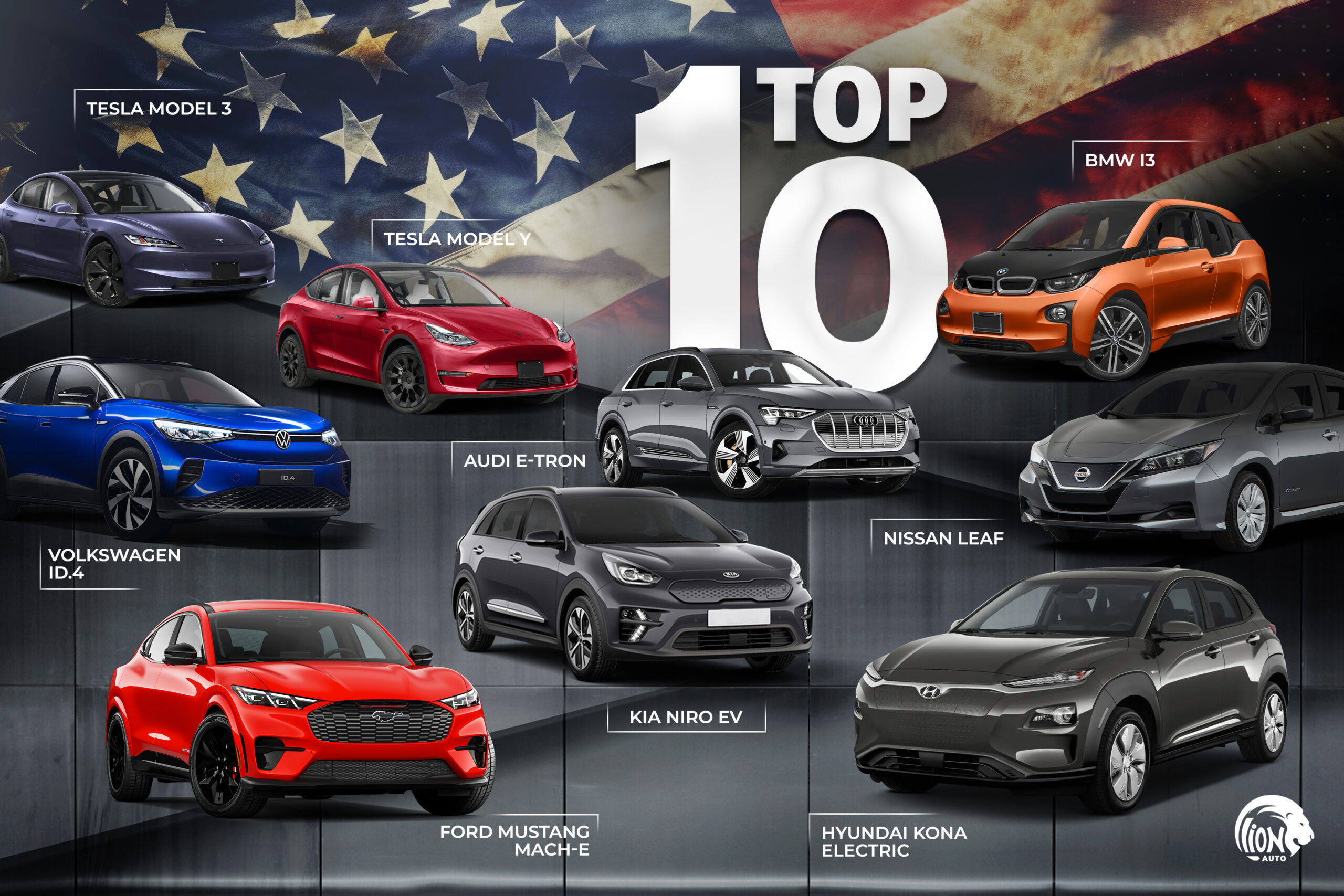
Top 10 Most Reliable Electric Cars (Ranked)
The ranking below reflects long-term durability, not brand popularity. Some high-profile models appear lower than expected. Each position reflects battery health trends, drivetrain consistency, software stability, and repair history over several years.
#1 – Tesla Model 3 (LFP versions)
Why it ranks here:
Strong real-world battery retention and a mature drivetrain platform place it at the top. High production volume also exposed early issues quickly, leading to refinements over time.
Key reliability strengths:
- Battery durability: LFP variants show low long-term degradation when regularly charged.
- Powertrain simplicity: Single-motor RWD versions reduce mechanical complexity.
- Software stability: Frequent updates fix bugs quickly, and core systems remain stable.
Known weaknesses:
Early build-quality inconsistencies and occasional sensor calibration issues.
Best for:
Long-term owners and high-mileage commuters who prioritize battery resilience.
#2 – Hyundai Kona Electric (64 kWh)
Why it ranks here:
Consistent battery retention and straightforward engineering support its position. Field data shows predictable aging patterns.
Key reliability strengths:
- Battery durability: Effective thermal management limits degradation.
- Powertrain simplicity: Single-motor layout with low failure rates.
- Software stability: Infotainment issues occur, but critical systems remain dependable.
Known weaknesses:
Past battery recall history affects early production models.
Best for:
Used-market buyers seeking proven long-term reliability.
#3 – Chevrolet Bolt EV (post-recall models)
Why it ranks here:
After battery replacements and updates, long-term reliability improved significantly. Simple engineering contributes to stable ownership.
Key reliability strengths:
- Battery durability: New pack replacements reset long-term aging concerns.
- Powertrain simplicity: One of the least complex EV drivetrains.
- Software stability: Limited feature load reduces system conflicts.
Known weaknesses:
Interior electronics feel basic and occasionally glitch.
Best for:
Budget-focused buyers prioritizing drivetrain longevity.
#4 – Nissan Leaf (40 kWh / 62 kWh)
Why it ranks here:
Drivetrain reliability remains strong over years of use. However, battery cooling design affects long-term ranking.
Key reliability strengths:
- Battery durability: Moderate degradation in temperate climates.
- Powertrain simplicity: Mature electric motor platform with few recurring failures.
- Software stability: Straightforward infotainment system reduces crash frequency.
Known weaknesses:
Air-cooled battery design accelerates wear in hot climates.
Best for:
Urban drivers in moderate climates.
#5 – Tesla Model Y (RWD versions)
Why it ranks here:
Shares mechanical strengths with Model 3 but adds complexity in higher trims. Single-motor versions score better than dual-motor setups.
Key reliability strengths:
- Battery durability: Stable degradation patterns in standard-range variants.
- Powertrain simplicity: RWD configuration limits mechanical stress.
- Software stability: Regular OTA improvements maintain system consistency.
Known weaknesses:
Early production fitment inconsistencies and sensor-related alerts.
Best for:
Families seeking space without sacrificing drivetrain durability.
#6 – Kia Niro EV
Why it ranks here:
Balanced design and conservative software architecture contribute to steady ownership data.
Key reliability strengths:
- Battery durability: Comparable retention to Kona Electric.
- Powertrain simplicity: Proven single-motor configuration.
- Software stability: Limited over-the-air feature experimentation reduces risk.
Known weaknesses:
Occasional charging-port sensor faults.
Best for:
Daily commuters wanting predictable long-term operation.
#7 – Volkswagen ID.4 (RWD)
Why it ranks here:
Solid battery structure offsets early software instability. Updates improved reliability over time.
Key reliability strengths:
- Battery durability: Strong pack design with consistent cooling.
- Powertrain simplicity: Rear-motor layout reduces drivetrain stress.
- Software stability: Improved after early rollout issues.
Known weaknesses:
Early software versions caused infotainment lag and occasional system resets.
Best for:
Drivers prioritizing comfort with acceptable long-term reliability.
#8 – Ford Mustang Mach-E (RWD)
Why it ranks here:
Battery hardware performs well, but electronic complexity affects ranking.
Key reliability strengths:
- Battery durability: Stable long-term retention in standard-range models.
- Powertrain simplicity: RWD trims reduce inverter load.
- Software stability: OTA updates fix issues, though new features sometimes introduce minor bugs.
Known weaknesses:
High-voltage contactor recall history impacts early units.
Best for:
Buyers who want balanced performance without heavy dual-motor complexity.
#9 – BMW i3
Why it ranks here:
Carbon-fiber construction resists structural aging, yet electronics influence overall ranking.
Key reliability strengths:
- Battery durability: Predictable degradation curve over years.
- Powertrain simplicity: Compact motor with low mechanical failure frequency.
- Software stability: Limited feature expansion reduces systemic risk.
Known weaknesses:
Expensive replacement parts and limited service ecosystem.
Best for:
Urban drivers seeking lightweight, long-term daily use.
#10 – Audi e-tron (first generation)
Why it ranks here:
Robust battery cooling earns points, but complexity lowers overall placement.
Key reliability strengths:
- Battery durability: Strong thermal management controls degradation.
- Powertrain simplicity: Solid motor engineering, though dual-motor versions add complexity.
- Software stability: Improved after early updates.
Known weaknesses:
Higher repair frequency related to advanced electronics and suspension systems.
Best for:
Drivers who value comfort and refinement, understanding maintenance demands may rise over time.
Reliability Comparison Table
Some readers prefer a fast comparison before diving deeper. The table below summarizes long-term reliability signals across the top 10 models. Ratings reflect relative positioning within this ranking, not absolute perfection or failure.
| Rank | Model | Battery Reliability | Software Stability | Repair Frequency | Best Ownership Use Case |
| 1 | Tesla Model 3 (LFP) | High | High | Low | High-mileage daily commuter |
| 2 | Hyundai Kona Electric (64 kWh) | High | Medium–High | Low | Long-term private ownership |
| 3 | Chevrolet Bolt EV (Post-Recall) | High | Medium | Low | Budget-conscious used buyer |
| 4 | Nissan Leaf (40 / 62 kWh) | Medium | Medium–High | Low | Urban driving in mild climates |
| 5 | Tesla Model Y (RWD) | High | High | Medium–Low | Family long-term use |
| 6 | Kia Niro EV | High | Medium–High | Low | Predictable daily commuting |
| 7 | Volkswagen ID.4 (RWD) | Medium–High | Medium | Medium | Balanced comfort ownership |
| 8 | Ford Mustang Mach-E (RWD) | Medium–High | Medium | Medium | Performance-oriented daily driver |
| 9 | BMW i3 | Medium | Medium | Medium | City-focused ownership |
| 10 | Audi e-tron (1st Gen) | High | Medium | Medium–High | Premium comfort driving |
How to read this table
- Battery reliability reflects long-term degradation consistency and thermal management strength.
- Software stability weighs critical-system dependability over infotainment glitches.
- Repair frequency reflects reported repeat visits and downtime patterns.
New vs Used EV Reliability: What Buyers Should Know
A new electric vehicle offers peace of mind. A used one can offer stronger value. Reliability depends less on “new vs old” and more on design maturity, battery chemistry, and previous usage patterns.
Understanding how EVs age helps buyers avoid unnecessary risk. The two most important variables remain battery evolution and accumulated mileage.
Are Older EVs Less Reliable?
Older EVs often carry first-generation limitations. Early models lacked advanced thermal management. Some relied on passive air cooling. That design accelerated battery degradation in hot climates.
Battery chemistry has also evolved. Early packs showed less consistent cell balancing. Modern battery management systems regulate temperature and charging more precisely. That improvement directly affects long-term capacity retention.
Electronics improved as well. Early infotainment systems experienced frequent resets. Software architectures now separate entertainment functions from critical drive systems. That separation reduces the chance of a small bug affecting vehicle operation.
However, age alone doesn’t define reliability. A well-maintained five-year-old EV with stable battery health may outperform a newer model with unresolved software issues.
Buyers should focus on:
- Documented battery health percentage
- History of major recalls or pack replacements
- Software update consistency
- Charging habits of previous owners
Older EVs aren’t automatically less reliable. They simply require closer evaluation of battery condition and thermal design.
What Mileage Matters Most for EV Reliability?
Mileage affects EVs differently than combustion cars. Electric motors rarely fail due to high mileage alone. Battery cycles matter more than kilometers driven.
Most degradation occurs within the first 30,000–50,000 km. After that initial phase, decline usually slows. Stable thermal control keeps long-term wear predictable.
Electronics tend to reveal weaknesses within the first two to three years. Repeated warning messages or charging faults often surface early. Vehicles that pass that stage without recurring issues typically remain stable.
High mileage with moderate battery loss often signals healthy pack management. Low mileage combined with heavy degradation may indicate poor charging behavior or extreme climate exposure.
When evaluating mileage, consider:
- Total kilometers driven
- Estimated charging cycles
- Percentage of capacity remaining
- Exposure to frequent DC fast charging
Age influences electronics. Mileage influences battery wear. Strong reliability comes from a balance of both.
Reliability Myths About Electric Cars
EV reliability conversations often swing between two extremes. Some people assume EVs never break. Others assume every battery fails. The truth sits in the middle, and the details matter.
“EVs Are Always More Reliable Than Gas Cars”
The claim holds up in one narrow sense. EVs avoid oil systems, exhaust components, and complex multi-gear transmissions. That removes several common failure points.
Reliability still doesn’t automatically improve across the whole car. EVs rely heavily on software, sensors, charging hardware, and power electronics. More electronics can mean more reported issues, even when the drivetrain stays solid. Consumer Reports has repeatedly flagged higher problem rates for EVs than gas-only cars in its annual survey data, largely tied to electronics, batteries, and charging systems.
Breakdown data tells a different, also useful story. Germany’s ADAC roadside-assistance dataset showed newer EVs breaking down less often than comparable combustion cars. That points to fewer “stranded on the road” events for many modern EVs, even when owners report more glitches overall.
“Battery Replacement Is Inevitable”
Battery replacement can happen. “Inevitable” misleads buyers.
Large-scale fleet-style data suggests replacement remains uncommon for modern EVs. Recurrent’s analysis reported under 4% battery replacements across years and models outside major recalls, with around 0.3% for 2022+ vehicles in its dataset.
When replacement does occur, two triggers show up most often:
- Recall-driven pack replacement rather than natural wear.
- Severe degradation tied to heat exposure, repeated fast charging, or early-generation designs.
Battery aging also looks less dramatic than many assume. Geotab’s real-world battery health studies report average annual degradation around 2.3% in its latest analysis, based on a large telematics dataset.
Final Verdict: Which Electric Cars Are Truly the Most Reliable?
Reliability rarely aligns with brand image. Some of the safest long-term choices come from simple configurations, proven battery management, and restrained software design. High sales volume alone doesn’t guarantee durability. Neither does premium pricing.
The strongest long-term performers share common traits:
- Stable battery degradation patterns over several years
- Effective thermal management systems
- Single-motor layouts with fewer mechanical stress points
- Software platforms that prioritize stability over constant feature expansion
Models built around conservative engineering tend to age more predictably. Vehicles that combine complex dual-motor systems with aggressive software rollouts often carry slightly higher long-term risk. That difference doesn’t make them unreliable. It simply changes ownership expectations.
Reliability also depends on use case. A city commuter driving moderate distances may never experience the same wear patterns as a high-mileage highway driver. Climate plays a role. Charging habits matter. Maintenance discipline matters.
The most reliable electric car for one buyer may not rank highest for another. A used buyer might prioritize battery replacement history. A long-term owner may prioritize chemistry type and thermal design. A family buyer may accept slightly higher complexity for space and comfort.
The key takeaway remains simple: reliability equals battery health + drivetrain durability + electronics stability over time. Popularity and marketing claims don’t replace long-term data.
Informed buyers look past acceleration figures and screen size. They study degradation trends, service history, and engineering maturity. That approach leads to ownership that remains predictable years after purchase.