
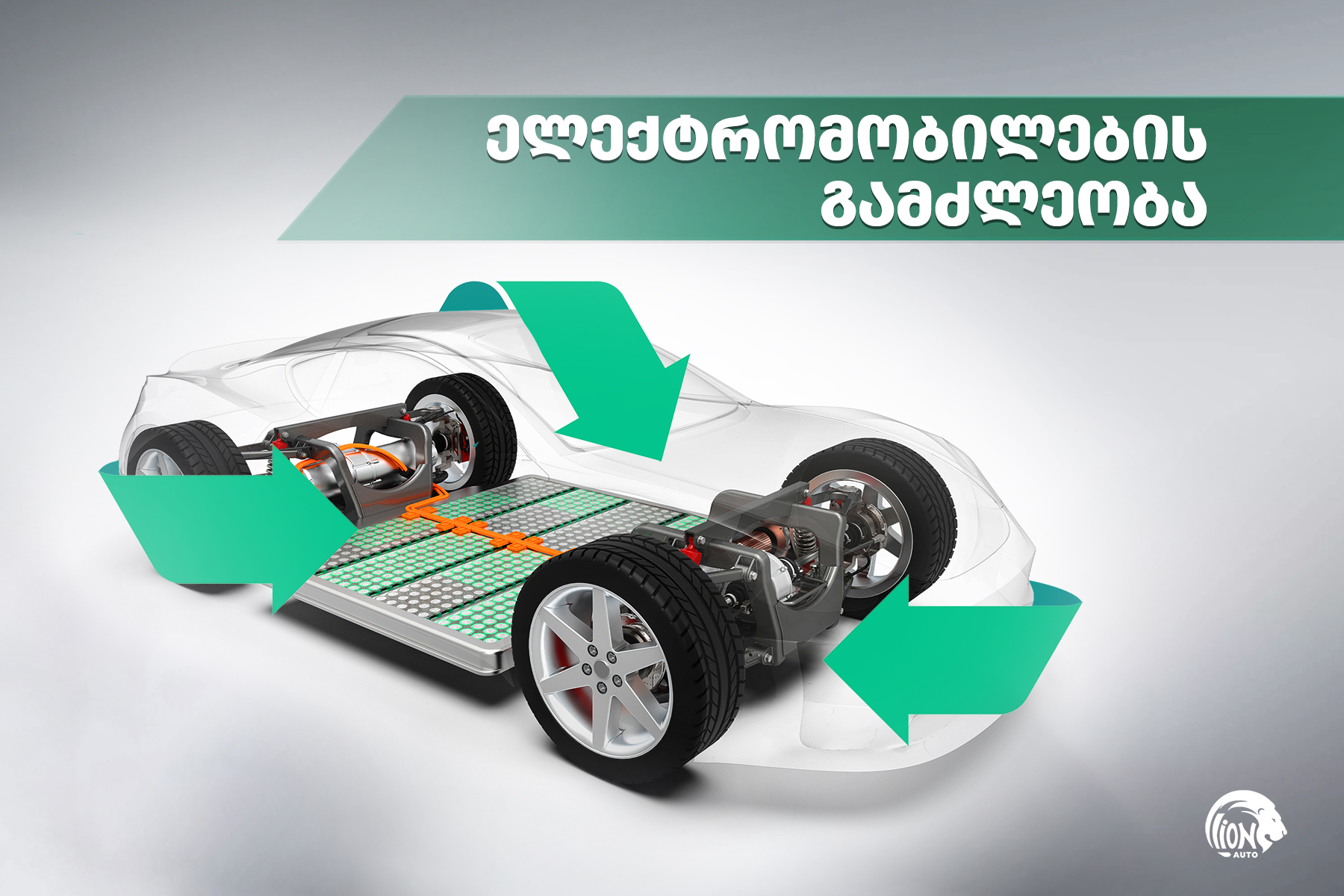
EV batteries don’t “drop dead” on a random Tuesday. Real-world fleet data from Geotab puts average battery degradation at about 1.8% per year, which changes the whole lifespan conversation.
Most buyers still approach longevity like a gasoline problem: “When does the engine fail?” EVs age on a different track. Range slowly shrinks. Charging behavior shifts. Power electronics and cooling health start to matter more than mileage alone.
This guide breaks longevity into the metrics that actually predict long-term ownership. You’ll learn what “lasting” means for an EV, what timeline looks realistic in years and kilometers, and how battery aging affects daily use without turning the car into a brick. You’ll also see where costs typically show up at 5, 10, and 15+ years, plus when battery replacement makes sense and when it doesn’t.
What Does “Longevity” Mean for an Electric Car?
Before discussing years or kilometers, define what “lasting” actually means for an EV. Longevity doesn’t revolve around engine wear. It revolves around time, usage patterns, and gradual performance change.
An electric vehicle can remain fully operational while feeling different than it did on day one. Range shifts. Charging behavior changes. Software updates reshape driving dynamics. None of that equals failure.
Understanding longevity requires separating three distinct measurements.
Lifespan vs Mileage vs Usable Performance
Electric cars age across three dimensions:
| Type of Longevity | What It Measures | What Owners Notice Over Time |
| Calendar lifespan | Total years since production | Aging electronics, seals, interior wear |
| Mechanical lifespan | Total kilometers driven | Suspension wear, drivetrain durability |
| Performance lifespan | Battery capacity and charging efficiency | Reduced range, slower peak charging |
Calendar lifespan refers to time. Lithium-ion batteries degrade even when parked. Climate and storage conditions influence that aging process more than mileage alone.
Mechanical lifespan tracks distance traveled. EV drivetrains contain far fewer moving parts than combustion engines. No pistons, no valves, no exhaust system. Lower mechanical friction typically translates to longer component life.
Performance lifespan creates the most confusion. An EV may reach 400,000 km and still drive reliably. Yet it may deliver 15–25% less range than when new. Charging curves may flatten sooner at high percentages. Drivers feel that difference long before mechanical components fail.
That distinction matters. An EV can “last” for decades while gradually shifting in daily usability.
Why EV Longevity Is Measured Differently Than Gas Cars
Traditional gasoline vehicles usually decline through mechanical breakdown. Engine wear accumulates. Transmission failures appear. Oil-related issues compound over time.
Electric vehicles age differently.
Instead of mechanical fatigue, long-term ownership centers on:
- Battery chemistry stability
- Power electronics reliability
- Thermal management effectiveness
- Software integration
Fewer moving parts reduce traditional failure points. No oil changes. No timing belts. No spark plugs. That simplicity changes how durability gets evaluated.
However, EVs rely heavily on electronics and battery management systems. Cooling systems protect both motors and batteries from temperature stress. Inverters regulate power flow. Control modules coordinate charging and energy delivery.
Ownership reality shifts from “Will the engine fail?” to “How much capacity remains?” and “How well does the system manage heat?”
That’s why longevity discussions around EVs focus less on catastrophic failure and more on gradual evolution in performance over time.
How Long Do Electric Cars Actually Last? (Realistic Expectations)
Most modern electric vehicles are designed to last 12 to 20 years, depending on usage patterns and climate conditions. That range aligns with long-term fleet data from early EV adopters in Europe and North America.
The real question isn’t whether an EV survives that long. The real question focuses on how it performs over that time.
Longevity depends on three variables: charging habits, temperature exposure, and overall maintenance. Owners who avoid constant fast charging and extreme heat typically see slower battery degradation. Moderate daily charging and stable climates support longer usable life.
Let’s break it down in practical terms: years first, then mileage.
Average Lifespan in Years
Most electric cars comfortably reach 12–15 years without major drivetrain issues. Vehicles that operate in mild climates and follow balanced charging routines often push toward 18–20 years.
What separates a 12-year EV from a 20-year EV?
- Consistent charging between 20–80%
- Limited exposure to extreme heat
- Proper cooling system maintenance
- Software updates applied regularly
Hot climates accelerate battery aging. Very cold regions can reduce usable range but usually cause less long-term chemical stress than heat.
Battery warranties from major manufacturers often cover 8 years or 160,000 km. Many vehicles continue operating well beyond that coverage period without battery replacement.
Calendar age alone rarely ends an EV’s usable life. Gradual range decline plays a bigger role than mechanical breakdown.
Average Lifespan in Mileage
With proper care, many electric vehicles reach 300,000 to 500,000 kilometers before facing major battery decisions. Several high-mileage fleet vehicles in Europe and the U.S. have already crossed 400,000 km on original drivetrains.
Mileage matters less in EVs than in gasoline cars. Charge cycles influence battery wear more than raw distance.
For example:
| Factor | Impact on Longevity |
| High daily mileage with moderate charging | Low stress |
| Frequent 100% charges | Moderate stress |
| Regular deep discharge below 5% | Higher stress |
| Constant fast charging in hot weather | Highest stress |
Electric motors themselves rarely limit mileage. They contain far fewer wear components than combustion engines. Suspension, bushings, and cooling systems typically require attention long before the motor does.
In practical terms, an EV reaching 400,000 km doesn’t signal failure. It signals reduced range compared to new conditions. Many vehicles at that stage still serve reliably for city driving or shorter daily commutes.
That distinction changes how owners should think about lifespan. EVs don’t suddenly stop working at a fixed number. They gradually evolve in capability over time.
Battery Longevity: The Biggest Concern Explained Properly
Battery health drives most conversations about electric car lifespan. Many buyers assume failure happens suddenly. Real-world data shows a different pattern.
Lithium-ion batteries degrade gradually. Capacity declines over years, not overnight. Understanding that curve removes much of the fear.
Let’s examine how degradation works, what influences it, and what aging actually looks like in daily driving.
How EV Batteries Degrade Over Time
Battery degradation means reduced storage capacity. It doesn’t mean total failure.
Most EV batteries lose 1–3% of capacity per year under normal conditions. Independent fleet studies in Europe and the U.S. confirm that trend across multiple brands.
Capacity loss follows a curve:
- Slight drop in the first year
- Stable, slow decline for several years
- Gradual tapering over long-term use
Sudden “battery death” rarely occurs without manufacturing defects or extreme misuse.
Failure and degradation differ significantly:
| Term | What It Means | Real-World Impact |
| Capacity loss | Reduced maximum range | Shorter driving distance per charge |
| Battery failure | Internal defect or damage | Warning lights, potential replacement |
Most owners experience range reduction long before any technical fault appears.
For example, a vehicle rated at 450 km when new may deliver 380–400 km after eight years. Daily usability remains intact for most drivers.
Charging Habits That Affect Battery Lifespan
Charging behavior plays a larger role than total mileage.
Fast charging generates more heat than slow AC charging. Occasional use causes minimal harm. Daily high-speed charging in hot weather increases chemical stress.
Optimal daily charging typically falls between 20% and 80%. That range reduces strain on battery cells. Charging to 100% works fine before long trips but shouldn’t become routine.
Temperature also matters.
High heat accelerates chemical aging. Vehicles parked long-term in extreme sun degrade faster. Cold climates reduce temporary range but often slow permanent degradation.
Cooling systems protect modern battery packs. Proper maintenance of thermal management components supports long-term stability.
What Happens When an EV Battery “Gets Old”?
An aging battery doesn’t make the car unusable. It changes how the car feels.
Owners may notice:
- Reduced maximum range
- Slower charging at higher percentages
- Slightly longer time to reach full charge
Driving performance usually remains stable. Electric motors continue delivering instant torque regardless of minor capacity loss.
Replacement becomes a consideration only when range drops below practical daily needs. Many vehicles remain useful for city driving even after losing 25–30% capacity.
Battery aging resembles gradual smartphone battery decline. The device still functions. It simply doesn’t hold charge as long.
Electric Motors and Drivetrain Longevity
Battery health gets most of the attention. Electric motors and drivetrains often determine how “solid” an older EV feels. They usually age well, but a few supporting systems decide the long-term outcome.
Two areas matter most: the motor’s mechanical simplicity and the electronics that control power and temperature.
Why Electric Motors Last Longer Than Combustion Engines
Electric motors avoid many failure points found in gasoline engines. Fewer moving parts means fewer wear surfaces and fewer service items.
A motor doesn’t rely on:
- Oil changes and oil pressure
- Timing belts or chains
- Pistons, valves, spark plugs, fuel injectors
- Exhaust components and emissions equipment
That simplicity reduces routine breakdown risk. It also reduces “cascade failures,” where one worn part damages another.
Motors also handle stress differently. Torque delivery stays smooth and consistent. No combustion cycles. No vibration from reciprocating parts. That steadier motion helps bearings and gears live longer.
EV drivetrains still include wear items. Gear reduction units use lubricant. CV joints and wheel bearings age like any car. Suspension components take the same road impacts. Owners often replace bushings and shocks before touching the motor.
Inverters, Power Electronics, and Cooling Systems
The motor usually survives. The supporting hardware decides whether the car keeps running quietly and predictably.
Power electronics control energy flow between the battery and motor. Cooling systems manage heat across the battery, motor, and inverter. Heat management shapes long-term reliability more than raw mileage.
Here’s how each part fits together:
| Component | What It Does | What Can Go Wrong Over Time |
| Inverter | Converts DC battery power to AC for the motor | Heat-related wear, electrical faults, connection issues |
| DC-DC converter | Steps high voltage down for 12V systems | Failure leads to 12V battery drain and system warnings |
| Onboard charger | Manages AC charging from home and public stations | Charging faults, reduced charging reliability |
| Thermal management | Controls temperature using coolant, pumps, valves | Leaks, pump wear, valve issues, sensor failures |
Cooling deserves extra attention. A healthy thermal system keeps components within safe temperature ranges. Poor cooling accelerates wear in electronics and increases battery stress during charging.
Common long-ownership weak points usually look like “support system” problems, not motor problems. Drivers may notice intermittent warnings, inconsistent charging, or reduced power under heavy load. Those issues often trace back to sensors, coolant flow, or power modules.
A well-maintained EV drivetrain tends to stay mechanically stable for a long time. Electronics and thermal control decide whether it stays predictable in daily use.
Long-Term Ownership Costs Over 5, 10, and 15 Years
Longevity matters most when translated into money. Years on the road only tell part of the story. Maintenance patterns and component aging define the real financial picture.
Electric vehicles follow a different cost curve than gasoline cars. Expenses stay low early on. Mid-life ownership brings predictable wear. Later years revolve around one major question: battery replacement or continued use.
Let’s break it down into practical stages.
5-Year Ownership Outlook
During the first five years, most owners experience very few mechanical expenses.
Battery warranties usually remain active. Many manufacturers cover eight years or 160,000 km for battery packs. That coverage reduces early risk significantly.
Routine service typically includes:
- Brake fluid replacement
- Cabin air filter changes
- Tire rotation and replacement
- Coolant checks for thermal systems
Regenerative braking reduces brake pad wear. No oil changes eliminate recurring engine service costs.
Battery degradation during this stage remains minor. Most vehicles retain over 90% of original capacity under normal usage.
Financially, early EV ownership often feels predictable and stable.
10-Year Ownership Outlook
At ten years, aging becomes more noticeable but rarely dramatic.
Battery capacity may decline to 80–85% of its original rating. Daily range remains usable for most drivers, though long trips may require more charging stops.
Suspension components often need replacement around this period. Bushings, control arms, and dampers wear similarly to any vehicle.
Electronics and sensors may begin showing occasional faults. Cooling pumps or onboard chargers might require service.
Operating costs still compare favorably to combustion vehicles. No engine rebuilds. No transmission overhauls. No exhaust system replacements.
The vehicle may feel older, but it usually remains financially manageable.
15+ Year Ownership Outlook
After fifteen years, ownership decisions become more strategic.
Battery capacity may approach 70–75% depending on usage and climate. For some drivers, that range remains sufficient for urban commuting.
At this stage, owners typically evaluate three options:
| Option | Practical Outcome |
| Continue driving | Suitable for city and short-distance use |
| Replace battery | Restores range but requires significant investment |
| Sell or repurpose | Lower resale value but still functional |
Many older EVs transition into secondary vehicles. They serve as reliable city cars rather than long-distance commuters.
Battery replacement becomes a consideration only if reduced range limits daily needs. Not every owner chooses that path.
EV aging resembles gradual technology evolution rather than mechanical collapse. Components rarely fail all at once. Performance shifts slowly, giving owners time to adapt decisions to their budget and driving habits.
Battery Replacement: Cost, Reality, and Alternatives
Battery replacement creates the most anxiety among EV buyers. Headlines often exaggerate the numbers. Real-world cases tell a more balanced story.
Replacement remains possible. It’s rarely urgent. And for many owners, it never happens at all.
Let’s separate cost from assumption.
How Much Does Battery Replacement Cost Today?
Battery replacement prices vary by model and battery size. Smaller packs cost less. Larger long-range packs cost more.
Current market estimates typically fall within:
| Battery Type | Estimated Replacement Cost |
| Small city EV (30–50 kWh) | $5,000–$9,000 |
| Mid-range EV (60–75 kWh) | $8,000–$15,000 |
| Large performance EV (90+ kWh) | $15,000–$20,000+ |
Labor, location, and parts availability affect final pricing.
Costs have declined over the last decade. BloombergNEF reports battery pack prices dropped nearly 90% since 2010. That downward trend influences long-term replacement economics.
Full replacement doesn’t always mean replacing the entire pack. Many manufacturers design batteries in modules. If one module fails, technicians can replace only the affected section. That significantly lowers repair costs compared to full pack swaps.
Independent EV repair specialists now offer reconditioning services as well. They diagnose weak modules and restore usable capacity without total replacement.
Are Battery Replacements Always Necessary?
Most owners never replace their battery. Many EVs operate well beyond ten years on the original pack. Even at 70–80% capacity, the car often meets daily driving needs.
Replacement makes sense only under specific conditions:
- Range no longer covers daily requirements
- Severe degradation below warranty thresholds
- Economic logic favors repair over resale
Some older EVs transition into secondary roles instead of receiving a new battery. They become city commuters or short-distance vehicles.
Battery packs also retain residual value. Recycling programs recover materials such as lithium, nickel, and cobalt. Secondary storage applications reuse partially degraded packs for stationary energy systems.
Replacement remains an option, not a default outcome. Owners typically reach that decision gradually, not suddenly.
Battery longevity discussions often focus on worst-case scenarios. Real ownership data shows a more predictable pattern. Degradation progresses slowly. Costs continue trending downward. Many drivers never face the replacement question at all.
How EV Longevity Compares to Gas and Hybrid Cars
Longevity makes more sense when placed next to familiar alternatives. Most buyers understand how gasoline cars age. Hybrid systems add another layer of complexity. Electric vehicles follow a different path altogether.
Instead of focusing on dramatic breakdowns, EVs usually change gradually. That difference reshapes long-term expectations.
EV vs Gasoline Cars
Gasoline vehicles often decline through mechanical wear. Engines rely on combustion, pressure, and constant lubrication. Over time, internal components degrade.
Common long-term gasoline issues include:
- Engine oil leaks
- Timing chain or belt failures
- Transmission wear
- Exhaust system corrosion
- Fuel system problems
Repair costs can become unpredictable. A single engine or transmission failure may exceed the car’s market value.
Electric vehicles avoid many of those risks. No combustion system. No multi-speed transmission in most models. No exhaust or fuel components.
Here’s how aging typically differs:
| Factor | Electric Vehicle | Gasoline Vehicle |
| Main aging pattern | Gradual battery capacity loss | Mechanical wear and breakdown |
| Maintenance frequency | Low routine servicing | Regular oil and engine service |
| Major failure risk | Battery replacement consideration | Engine or transmission rebuild |
| Cost predictability | Generally stable over time | More variable after 8–10 years |
Gasoline cars may feel mechanically weaker as mileage increases. EVs usually feel consistent in performance but deliver less range over time.
That distinction changes the ownership mindset. One declines through mechanical fatigue. The other evolves through energy storage limits.
EV vs Hybrid Vehicles
Hybrids combine combustion engines with electric motors. That dual architecture increases mechanical complexity.
They include:
- Gasoline engine components
- Electric motor components
- Battery pack
- Power electronics
- Traditional transmission in many models
Owners maintain both systems simultaneously. Oil changes remain necessary. Exhaust components still exist. Battery degradation also enters the equation.
Longevity risks in hybrids often stem from system integration. More components mean more potential failure points.
Electric vehicles simplify the equation. No engine to maintain. No fuel system to service. Fewer moving parts overall.
Hybrids can deliver strong reliability when maintained properly. However, they don’t eliminate combustion-related wear. They reduce it.
From a long-term perspective:
- Gasoline cars risk mechanical breakdown
- Hybrids carry dual-system complexity
- EVs face gradual battery aging as the primary concern
Each platform has trade-offs. EV longevity centers on controlled degradation rather than cascading mechanical failures. That shift explains why many high-mileage electric cars remain structurally sound even after a decade on the road.
What to Expect From an EV Over Its Lifetime
Electric vehicles rarely follow the “runs fine, then breaks” story that many drivers associate with gasoline cars. They stay drivable for a long time, then slowly change in how they fit your routine.
The most realistic expectation looks like a gradual shift, not a sudden end.
EVs don’t “die” — they gradually evolve in usability
An older EV usually keeps starting, driving, and delivering strong acceleration. The change shows up in range and charging behavior.
A ten-year-old EV may still feel mechanically stable, yet require different trip planning. A fifteen-year-old EV may work perfectly for city driving, but feel less practical for long-distance routes.
That aging pattern gives owners control. You can adapt your use case instead of reacting to a breakdown.
Longevity depends more on charging habits than mileage
Kilometers matter, but charging behavior shapes battery health more directly.
Regular fast charging in hot weather ages packs faster. Keeping the battery at 100% for long periods adds stress. Deep discharges also contribute.
Balanced habits reduce that risk. Drivers who charge in a moderate range and avoid constant heat exposure typically see slower capacity loss.
The vehicle’s “life” often depends on daily routine, not the odometer.
For most owners, EVs outlast expectations, not warranties
Warranty periods often shape buyer psychology. Many EVs continue operating well beyond battery coverage without requiring replacement.
Ownership usually becomes a question of practicality rather than capability:
| Stage | What Typically Changes | What Usually Stays Reliable |
| 5 years | Minor capacity loss | Drivetrain stability, low servicing needs |
| 10 years | Noticeable range reduction | Motor durability, predictable running costs |
| 15+ years | Range may limit long trips | City usability, strong daily drivability |
The clearest takeaway: longevity in an EV isn’t a single number. It’s a timeline of usability.
Buyers who understand that timeline make better decisions. They choose a model with enough range margin, protect battery health through charging habits, and treat aging as predictable change rather than unexpected failure.